


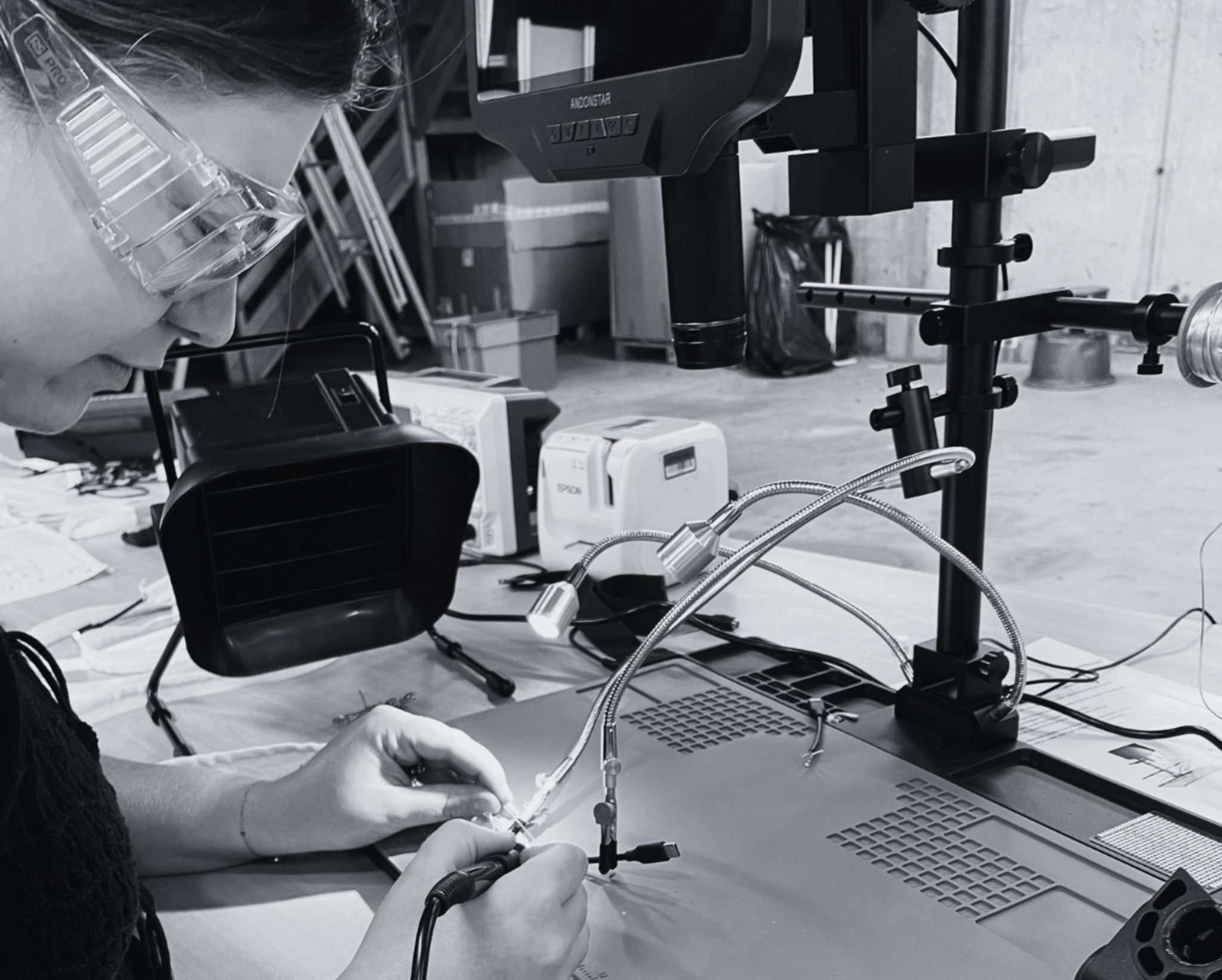
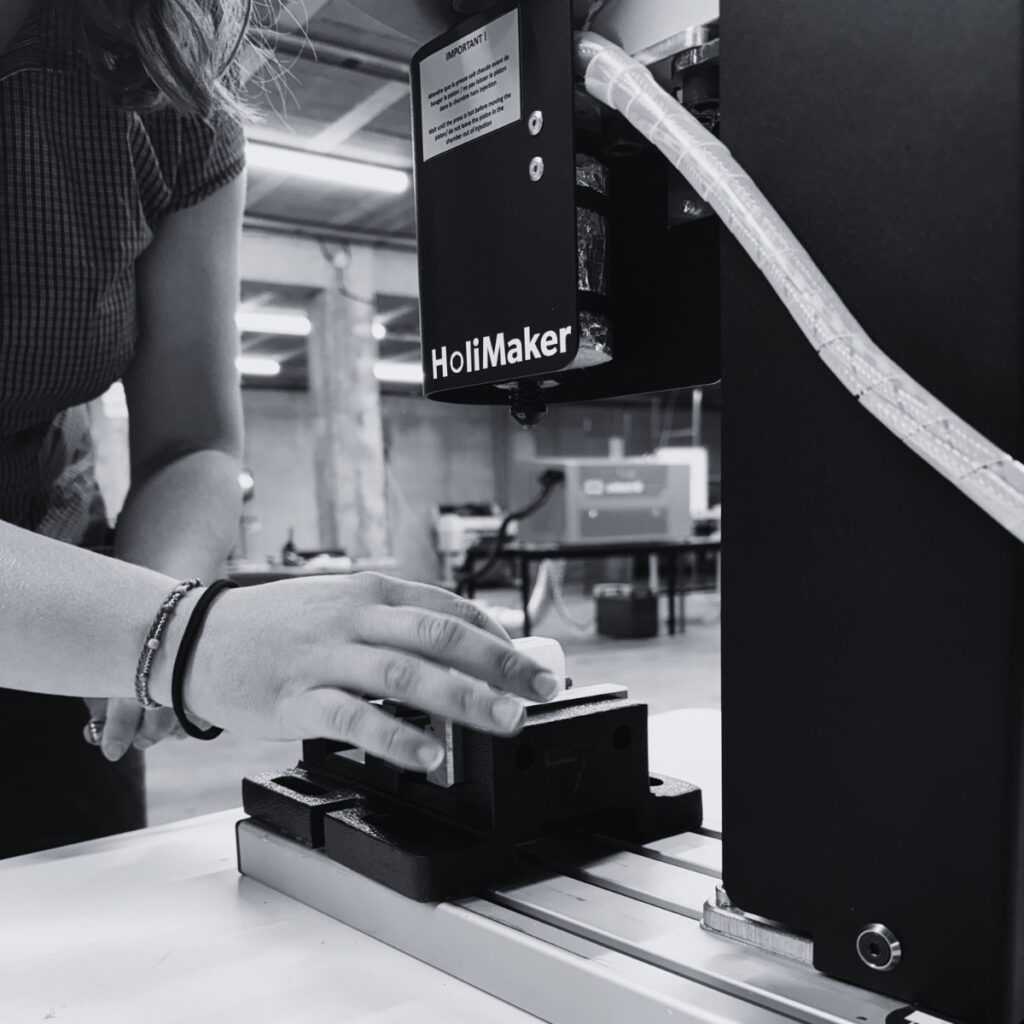
At The Hub, Satab Group combines textile expertise with mechatronic engineering to design, prototype and test new solutions. From electronics and mechanics to 3D printing, soldering, overmoulding and component integration, mechatronics opens up new possibilities for technical, smart and functional textiles.
Mechatronics driving textile innovation
Textiles are evolving. No longer limited to aesthetic or mechanical functions, they can now incorporate lighting, electronics, components and new functionalities. With this in mind, Satab Group is developing expertise in mechatronics within The Hub, its in-house facility dedicated to research, development and prototyping. Led by a mechatronics engineer, this division brings together the skills and technologies needed to work on elements that complement traditional textile expertise.
The aim is simple: to explore what textiles can become when they meet engineering.
A dedicated mechatronics division within THE HUB
The Hub operates as a fully integrated in-house design and engineering department, bringing together a multidisciplinary team to develop new solutions. The mechatronics division focuses on areas beyond the scope of textile manufacturing itself, including:
Electronics and component integration
Mechanical engineering and assembly
3D printing
Soldering
Overmoulding
Prototyping
System design and adaptation
Integration of functions into textile products
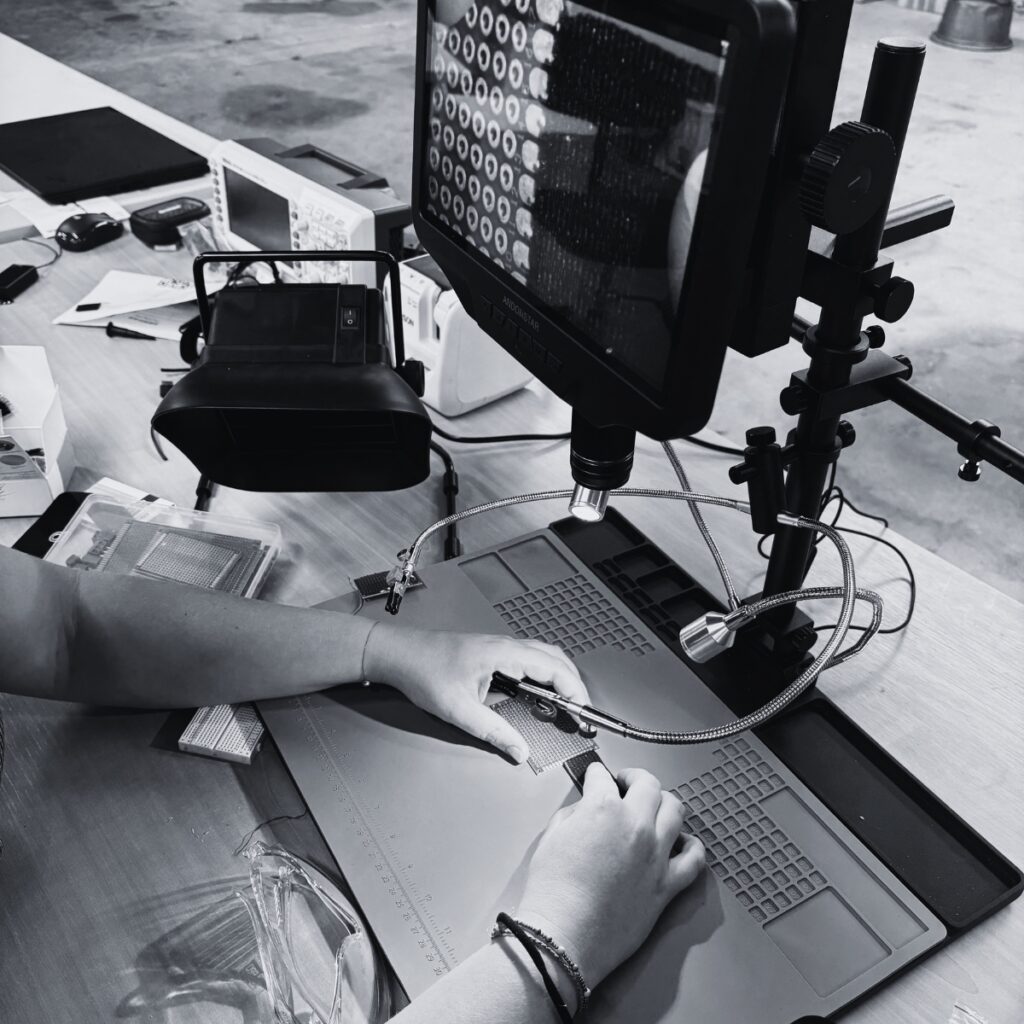
From concept to mechatronic prototype
One of the key strengths of the mechatronics division is its ability to move quickly from an idea to practical experimentation. Starting with a customer requirement, a concept or a technical challenge, the teams can design an initial solution, develop a prototype, carry out tests and make the necessary adjustments.
This approach enables each stage to be progressively validated:
Idea → Design → Prototype → Testing → Small-scale production → Industrialisation
Prototyping therefore becomes an essential step in assessing the technical feasibility of a solution before scaling up to larger production volumes.
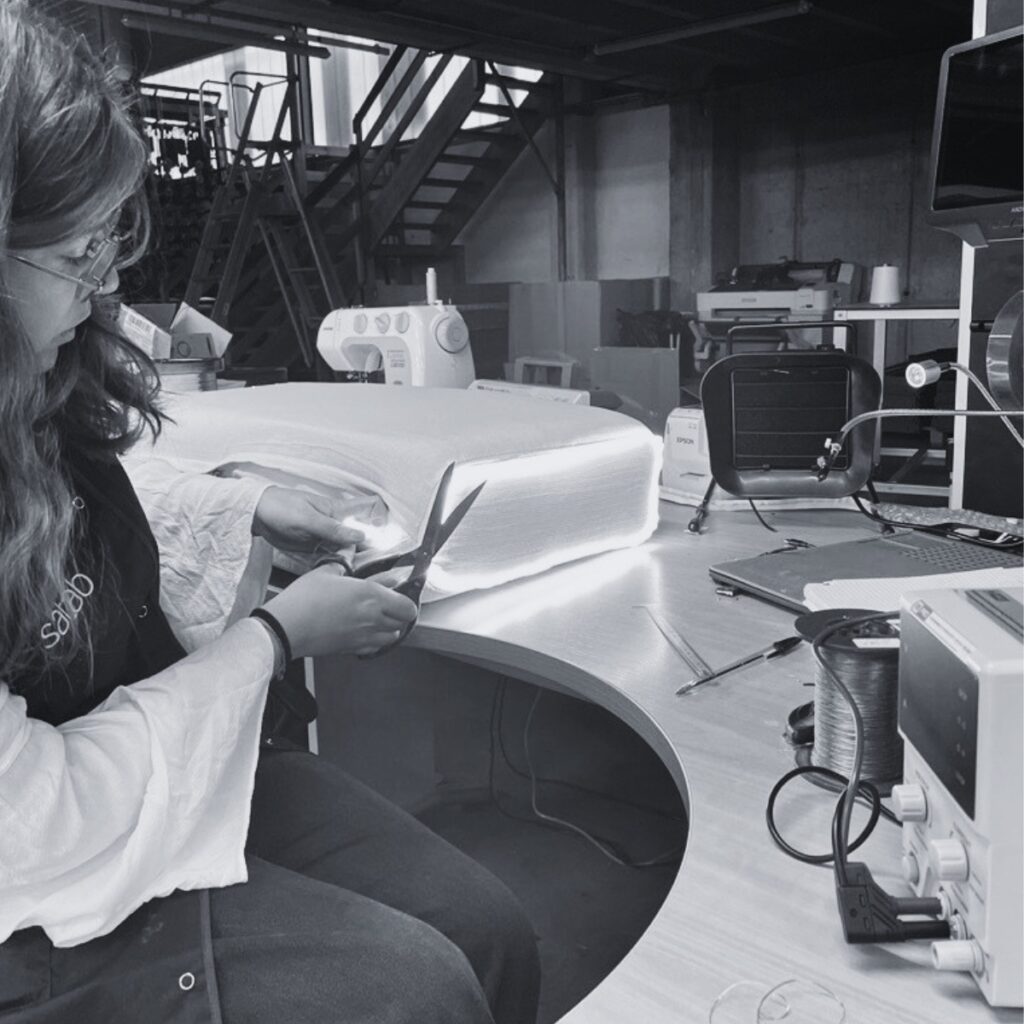
When textiles become illuminated, connected or functional
Combining textiles and mechatronics opens up new possibilities for innovative applications. The integration of lighting functions is a particularly promising area of exploration for sectors such as fashion, design and interior architecture.
Textiles can therefore become a medium for incorporating lighting directly into a product or design feature. Mechatronics also makes it possible to explore the integration of components and functionalities into textile products, while seeking the right balance between functionality, aesthetics, ergonomics and industrial feasibility.
Applications across Satab Group’s brands
The mechatronics expertise developed within The Hub supports the three Satab Group brands and their respective projects.
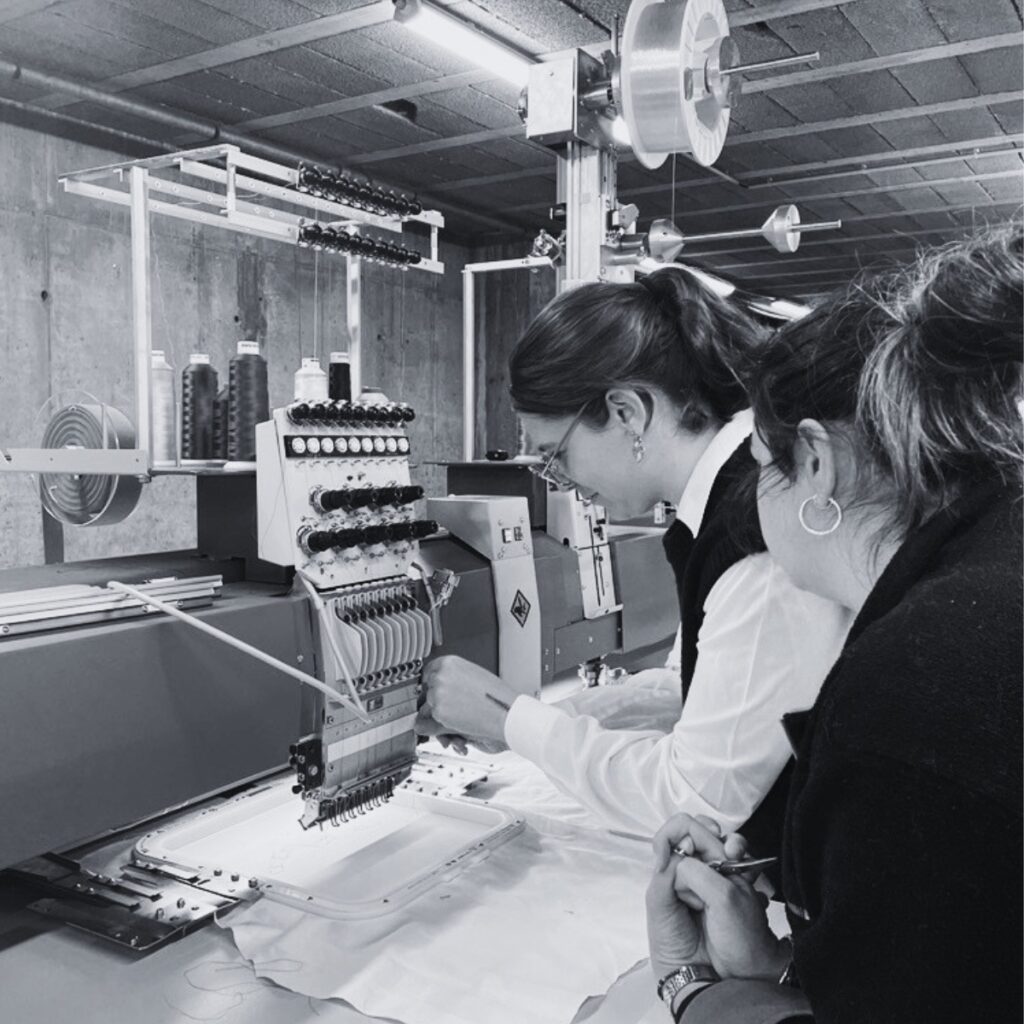
For Maison Satab, mechatronics provides opportunities to explore new textile applications. Lighting functions, prototyping for leather goods, and the development of solutions for embroidery and cutting are just some of the areas where mechatronic technologies complement traditional textile and creative expertise. The aim is to explore new applications and turn concepts into tangible prototypes.
For Novalti, mechatronic engineering contributes to the development of technical and functional textile products. The integration of mechanical or electronic components can introduce new functionalities while maintaining a focus on rapid prototyping, testing and industrialisation. This combination of textile engineering and mechatronics supports projects requiring a high level of technical expertise.
For Eweave, mechatronics is a natural driver of innovation. By combining textiles, electronics and mechanics, it becomes possible to develop smart and connected textile solutions, with various functions integrated directly into the products. Textiles can thus become interfaces capable of interacting with their environment or with the user.
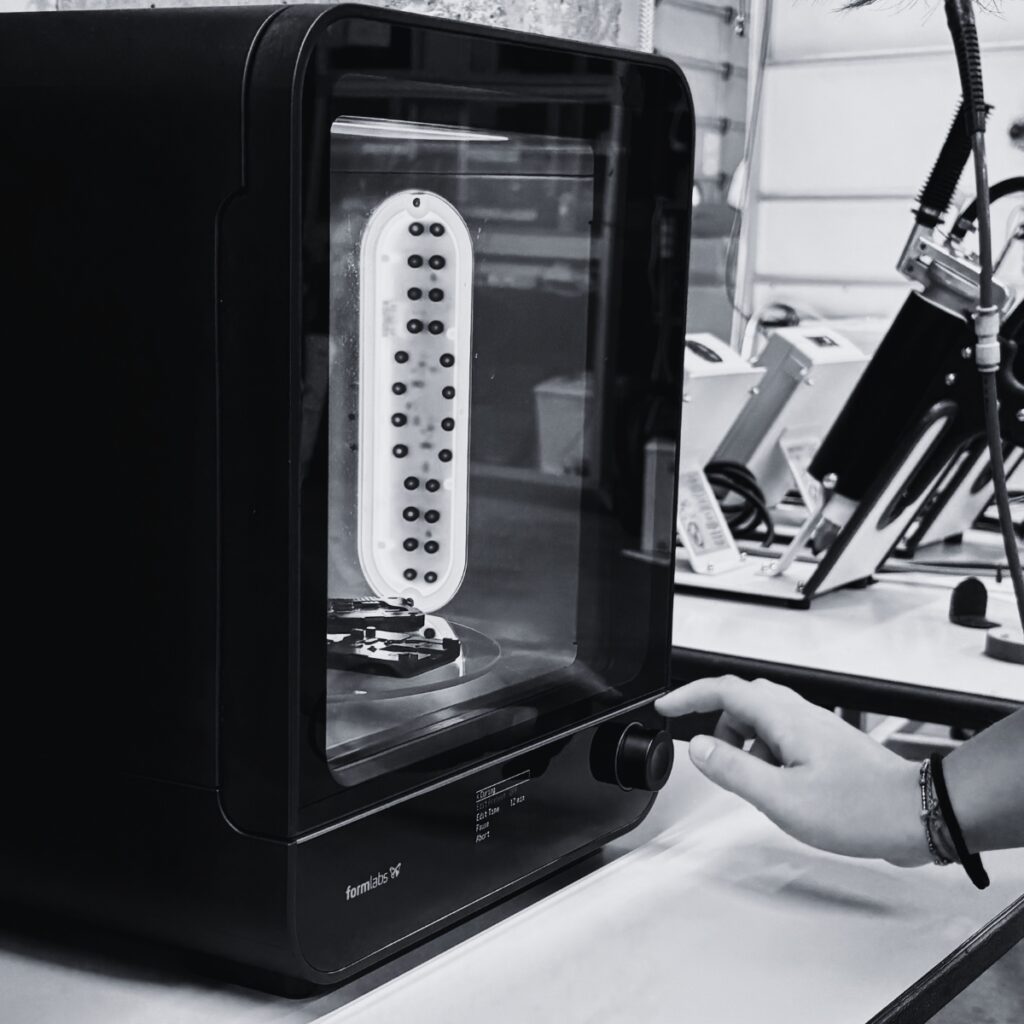
Expertise to push the boundaries of textiles
The value of mechatronics lies in its ability to bring different disciplines together. Textiles, electronics, mechanics and design can all be approached within a single development process. At The Hub, this approach encourages the development of solutions tailored to the real-world constraints of products, including dimensions, assembly, durability, aesthetics, intended use, repeatability and industrialisation.
The aim is not to add technology to textiles for its own sake. It is about identifying the right technology to meet a specific need, create a new function or unlock new applications.
An integrated approach to innovation
This mechatronics expertise forms part of Satab Group’s broader innovation strategy. Thanks to The Hub, textile and mechatronics expertise can be brought together within a single facility, from design through to testing and preparation for industrialisation. This organisation helps bring R&D, prototyping and production closer together, with one clear ambition: to turn ideas into practical solutions more quickly.
With more than a century of industrial expertise, Satab Group continues to evolve its activities by incorporating new technologies and skills. Mechatronics is now one of the key drivers enabling the Group to explore textiles in new ways.
FAQ
What is textile mechatronics?
Textile mechatronics involves combining mechanical, electronic and digital technologies with textile expertise to create new functionalities and solutions.
What technologies are used in textile mechatronics?
Textile mechatronics can involve electronics, mechanics, 3D printing, soldering, overmoulding, assembly and various prototyping technologies.
What is textile prototyping used for?
Prototyping makes it possible to turn an idea into a functional model in order to test its feasibility, functionality and integration before small-scale production or industrialisation.
Which sectors can benefit from textile mechatronics?
Textile mechatronics can find applications in fashion, design, leather goods, technical textiles, connected products and various industrial sectors.